ISSUE NO. 6 – CREATED IN HIS IMAGE
Faith Matters
 
A Publication of Ave Maria Mutual Funds


the LENS


The measure of a society can be found in how it treats its most vulnerable. For Catholics, that principle applies to every human life—from conception until natural death. Regardless of what modern science and technology make possible, the dignity of every human person remains constant because each is made in the image and likeness of God.


Roots of Tradition
 
The Holy Water Font
 

Whenever Catholics dip their fingers into a holy water font and make the Sign of the Cross, they are remembering their baptism — an act of re-consecration. The gesture says without words: “I belong to Christ.” The “effect” of blessing ourselves with holy water is, basically, cleansing.

The first Christian houses of worship typically had a kind of transition space between the outside, public area and the church proper, usually with a large fountain. Worshipers would stop at the fountain and wash their hands and feet before entering the sacred space — a way of preparation.


in the FRAY


Waiting for Someone to Say Yes
 
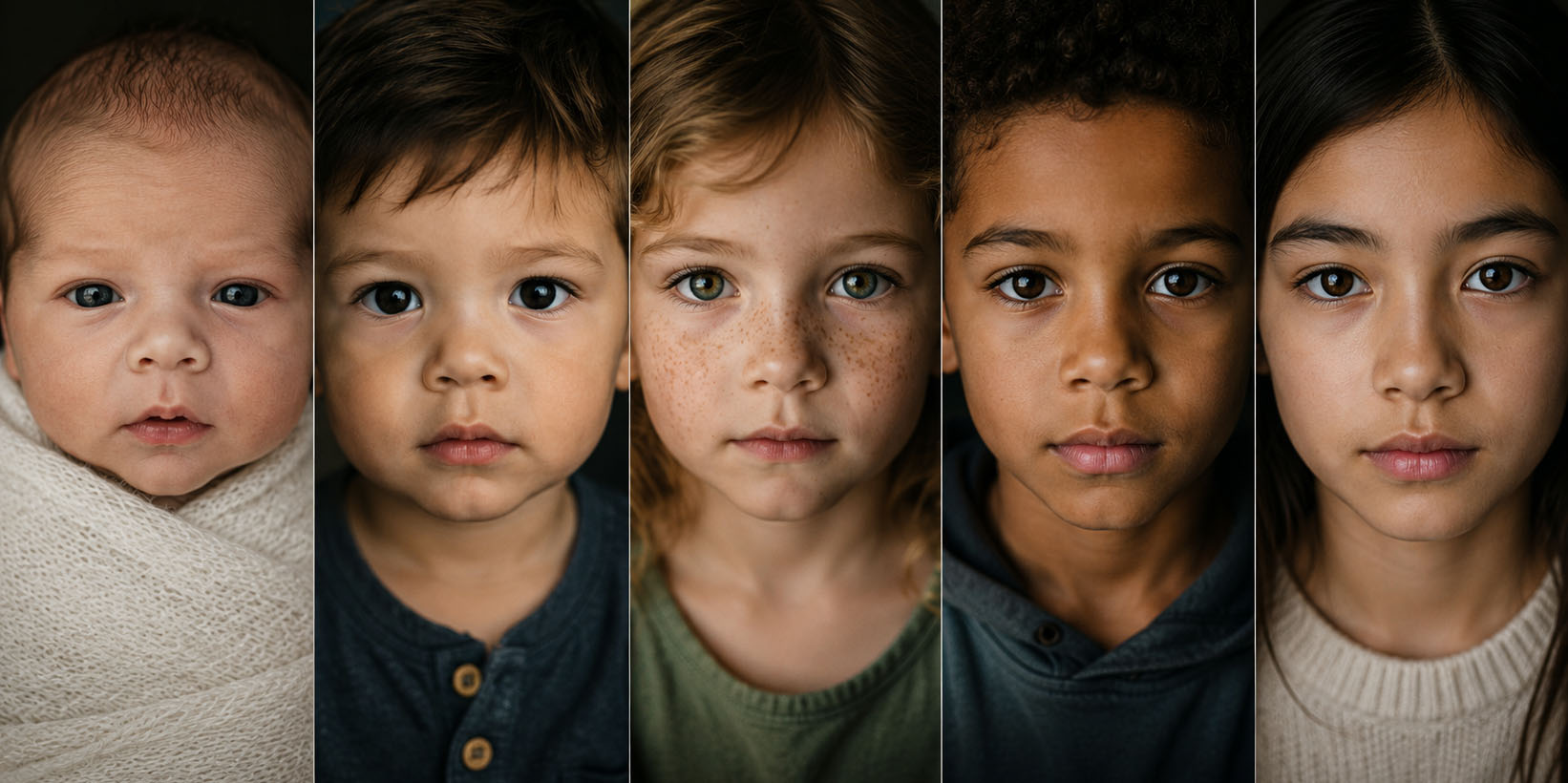
Children of different ages looking at the camera
Faith Matters spoke with Beth Button, vice president at Nightlight Christian Adoptions and director of the Snowflakes Embryo Adoption Program, about the lives waiting in frozen storage and the families she has served over the past twenty-two years.
 

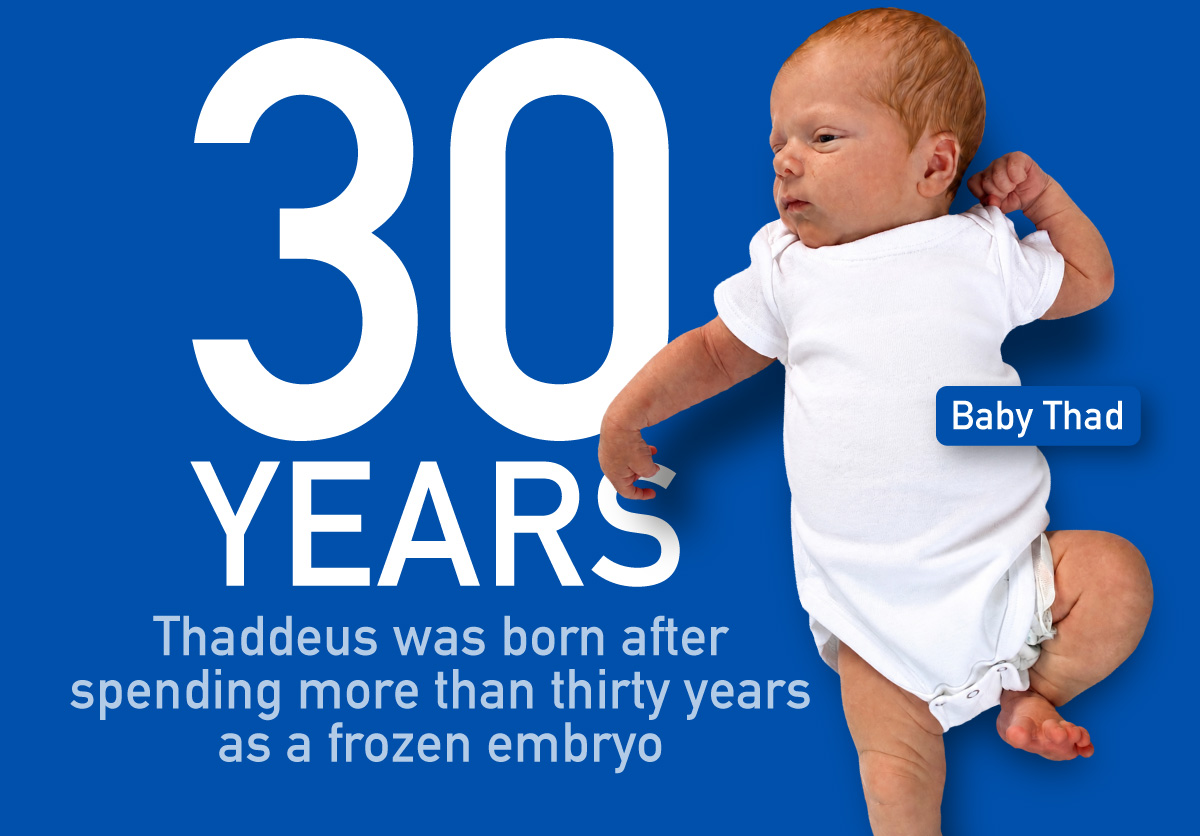
Last summer, a baby named Thaddeus was born. He had been frozen for thirty years.

The couple who adopted him understood there were no guarantees. The transfer might not work. They chose him anyway. “They had a heart for the embryos,” says Beth Button, a vice president at Nightlight Christian Adoptions and director of the Snowflakes Embryo Adoption Program. “They are now happy parents.”

“They had a heart for the embryos.”
BETH BUTTON

Somewhere in the United States right now, there are an estimated 1.5 million embryos in frozen storage. The fertility clinics holding them are not required to report how many they create or how many they keep. The industry, as Button notes, is “not very well regulated when it comes to how many embryos may be created and how many are stored.” What becomes of those embryos is, for the most part, a question no one is required to answer.

Snowflakes was founded to offer a different answer.

The program began in 1997, under the umbrella of Nightlight Christian Adoptions. Clinics had been freezing surplus IVF embryos for more than a decade by then, and with the practice came a growing backlog — embryos left over after treatment, facing three dominant options: indefinite storage, research, or discard. A couple struggling with infertility, friends of Nightlight’s Ron Stoddart, heard about these embryos sitting unused in clinics and brought him a question: could they be adopted? Stoddart, an attorney, examined the legal landscape and moved forward. The first Snowflakes baby was born in 1998.

Snowflakes differs from most embryo donation programs in one important way: it treats the process as adoption rather than donation. That means applying the practices and vocabulary of traditional adoption to something the law classifies as property transfer.

“Yes, legally it’s not an adoption,” Button acknowledges. “However, the end result is a child being raised by parents to whom he or she is not genetically related, which is the definition of adoption.”

The language is intentional. Snowflakes does not use the words “donor” or “donor embryo.” The application process includes medical histories, family profiles, home studies, and a matching pool in which placing families retain significant influence over who receives their embryos. Support groups exist for placing parents. “That started once we realized just how difficult this can be emotionally for many of them,” Button says.

Not every family with frozen embryos comes to Snowflakes. The ones who do, Button has found, have usually arrived at a prior determination. “The people that wrestle with it are the ones that recognize that these embryos are children waiting to be born.” Even placing families who do not identify as religious often cite Snowflakes’ Christian identity as the reason they sought out the program. “We don’t use the term ‘embryo donation’ at Snowflakes because children aren’t donated. They’re adopted,” Button says.

 
“It’s about getting embryos out of the freezer.”
BETH BUTTON

Snowflakes begins with a different question: what should be done for the lives that already exist. Button speaks of the families she has watched over two decades, the ones “in this for the right reason, who are considering the needs of the children first.” She speaks of adopting families willing to request the longest-waiting embryos, the hardest-to-place ones. She speaks of Baby Thaddeus, frozen thirty years before someone said yes.

 
The Snowflakes Team
The Snowflakes Team
 

Button has been with Nightlight for twenty-two years, the last decade within Snowflakes. She has watched the families coming through face increasing challenges: more mental health struggles, more dysfunction, more complexity. Her staff encounters new difficulties nearly every day that, as she puts it, they simply were not seeing twenty years ago.

The mission, Button says, has not changed. “Every child deserves a loving home. We are child-centric rather than focused on the desires of adults. From our point of view, parenting isn’t a right. It’s a privilege.”

Somewhere in a clinic freezer, there is an embryo that has been waiting longer than Thaddeus waited. For nearly thirty years, Snowflakes has existed to help families say yes.

The Snowflakes Embryo Adoption Program is operated by Nightlight Christian Adoptions. Since 1997, 1,500+ children have been born through the program.

The Catholic Church teaches that IVF is morally unacceptable. The question of embryo adoption as a response to embryos that already exist has been the subject of ongoing theological discussion. Dignitas Personae acknowledges the desire to help these embryos while also raising serious moral concerns about embryo adoption.
For more information:
nightlight.org


By the Numbers
By the Numbers: 30 years. Thaddeus was born after spending more than thirty years as a frozen embryo.


VIRTUE of the MONTH


Fortitude
 

Fortitude is not the absence of fear but the willingness to persevere despite it. The courageous soul trusts that God is present in every trial and that holiness is often found in the struggle.


“Be strong and of good courage; be not afraid, neither be dismayed; for the Lord your God is with you wherever you go.”
 
 
Joshua 1:9


Ave Maria Mutual Funds
 
1-866-AVE-MARIA (1-866-283-6274)
avemariafunds.com
 
WEBSITE


Was this issue forwarded to you?
 
If you’re not already subscribed, sign up to receive future issues of Faith Matters.
 
SUBSCRIBE
 
To unsubscribe from Faith Matters emails, use the unsubscribe link included in the email you received.


Schwartz Investment Counsel, Inc., a registered investment adviser established in 1980, serves as investment adviser for Ave Maria Mutual Funds. The Adviser invests in securities only if they meet the Funds’ investment and religious requirements, and as such, the returns may be lower or higher than if the Adviser made decisions based solely on investment considerations. The Funds’ method of security selection may or may not be successful and the Funds may underperform or outperform the stock market as a whole. All mutual funds are subject to market risk, including possible loss of principal.

Request a prospectus, which includes investment objectives, risks, fees, expenses and other information that you should read and consider carefully before investing. The prospectus can be obtained by calling 1-866-283-6274 or it can be viewed and downloaded here. Distributed by Ultimus Fund Distributors, LLC. Schwartz Investment Counsel, Inc. is not affiliated with Ultimus Fund Distributors, LLC.

 
20260702-5714751