|
|
| |
|
|
| |
|
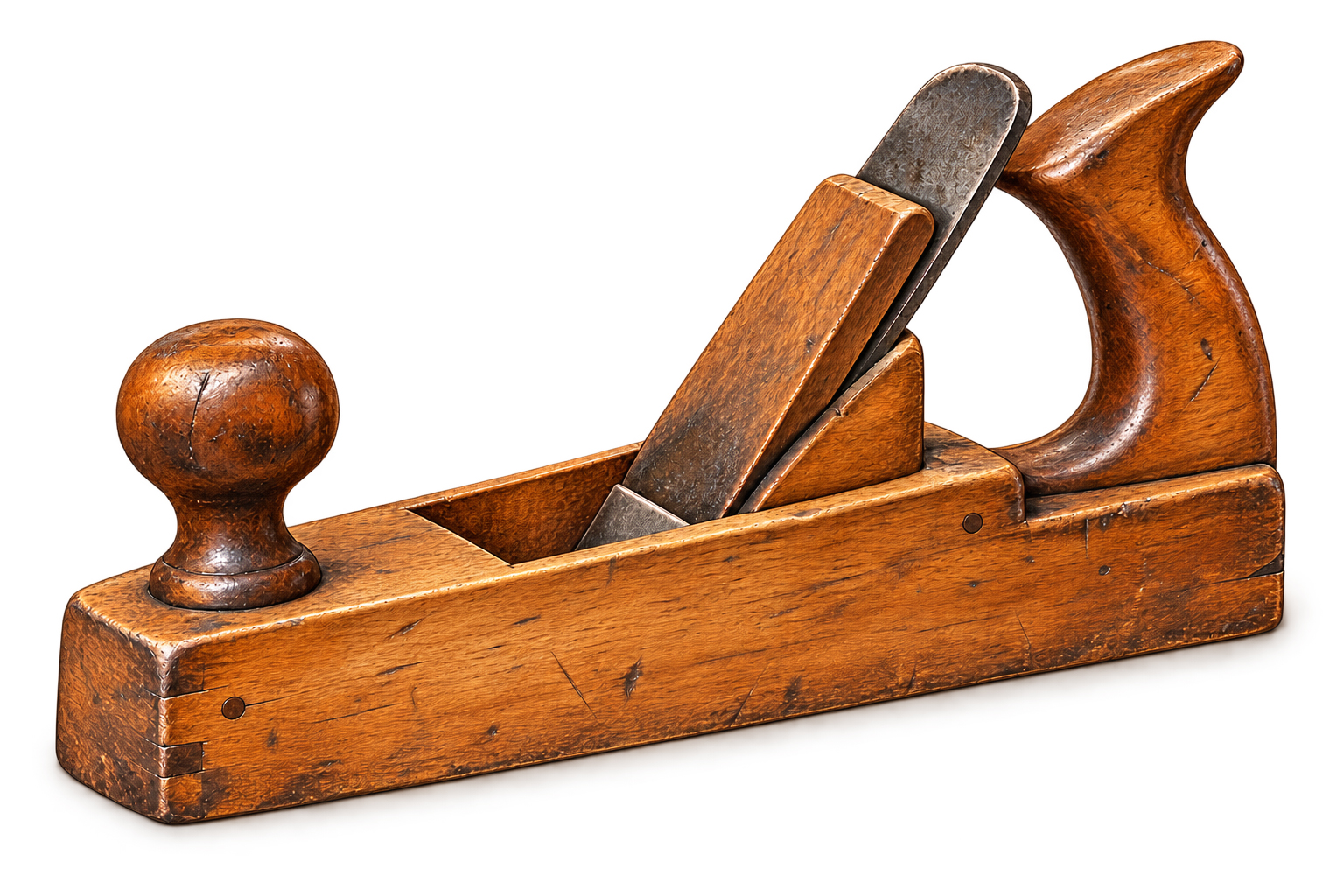
Work occupies a large share of daily life, whether in the field, classroom, office, or home. It can become one of the places God forms and sanctifies us through daily effort and trial.
|
| |
|
|

|
|
|
|
Treasury
|
|
| |
|
Prayer to St. Joseph the Worker
|
| |
|
Composed by Pope St. Pius X
O Glorious Saint Joseph, model of all those who are devoted to labor, obtain for me the grace to work in a spirit of penance for the expiation of my many sins;
TO WORK conscientiously, putting the call of duty above my natural inclinations;
TO WORK with thankfulness and joy, considering it an honor to employ and develop by means of labor the gifts received from God;
TO WORK with order, peace, moderation, and patience, never shrinking from weariness and trials;
TO WORK above all with purity of intention and detachment from self, keeping unceasingly before my eyes death and the account that I must give of time lost, talents unused, good omitted, and vain complacency in success, so fatal to the work of God.
All for Jesus, all through Mary, all after your example, O Patriarch, Saint Joseph.
Such shall be my watch-word in life and in death. Amen.
|
| |
|
|
|
|
|
|
| |
|
|
| |
|
Reconnecting with the Land |
| |
|
|
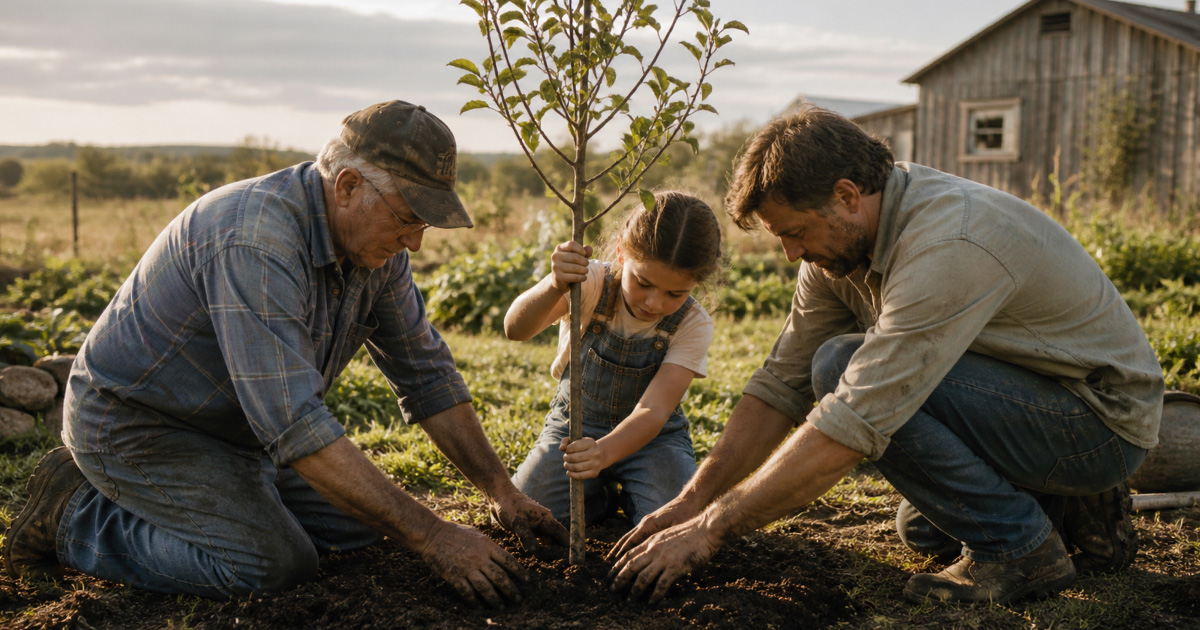
One faith-filled step at a time, some Catholic families are bringing family life and the work of their hands closer together.
|
|
| |
|
Catholic families drawn to agrarian life are learning agricultural skills, craft traditions, and ways to build productive homesteads. Their circumstances vary, but the underlying question is often the same: Is the life they have built ordered toward what they actually believe?
The Catechism teaches that work honors the gifts received from the Creator and can become a means of sanctification. Its value begins with the person: “Work is for man, not man for work” (CCC 2427–2428). That distinction predates the industrial economy, though the industrial economy can make it difficult to perceive.
Two organizations are helping Catholics put that teaching into practice.
The Catholic Land Movement draws from a tradition that began in Britain in 1929, when Catholic associations began training people for productive rural life and land settlement. Its contemporary mission is organized around four pillars: resettlement, education, fellowship, and glorification. Local chapters host workshops, coordinate work projects, and create opportunities for experienced homesteaders to share their knowledge with those just beginning.
Glorification gives the movement its explicitly Catholic character. The land is a gift whose cultivation should lead to gratitude and worship. Conferences and chapter events unfold within a Catholic, family-oriented atmosphere that places faith at the center.
|
| |
|
|
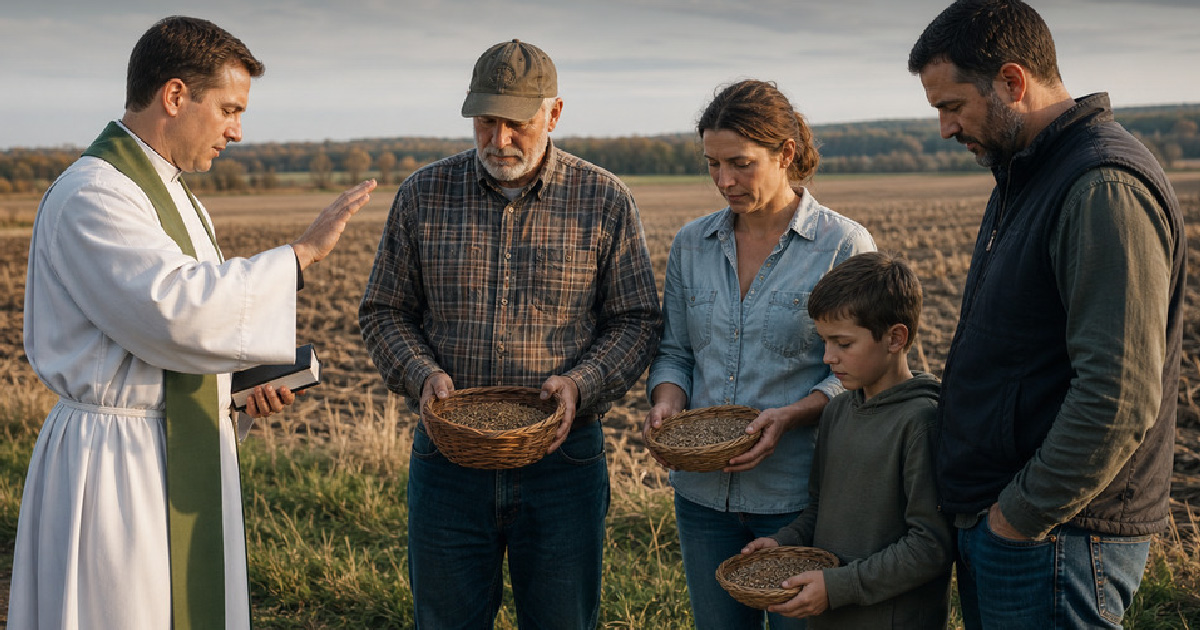
Blessings of seeds and fields are among the ways Catholic Rural Life chapters connect agriculture,
worship, and community. |
| |
|
Catholic Rural Life, founded in 1923 and headquartered in St. Paul, Minnesota, approaches the same work from established parishes, farms, and communities. Its chapters organize rural life Masses, blessings of seeds and fields, seminars for farmers, and educational programs. Its La Crosse chapter works with a local seed company to provide seed to farmers in need at little or no cost. Programs vary from place to place while the three priorities remain constant: liturgy, education, and community.
The organizations recognize the difficulty of rural life. They also affirm that land, labor, family, worship, and community belong together.
Farming and rural resettlement are particular ways of life. In a culture where work can feel increasingly distant from its results, many people long for labor whose purpose they can see, skills they can pass on, and communities where their contribution is tangible. The deeper question reaches every place of work: Is our labor ordered toward people, family, community, and God?
For the families choosing this path, work on the land offers one concrete answer.
|
| |
|
|
|
|
|
|
| |
|
|
| |

|
| |
|
St. Thomas More, St. Monica, and St. Joseph remained faithful when fidelity became difficult. Loyalty is a moral disposition nourished by faith, justice, fortitude, patience, and charity. It flourishes in relationship: marriage, parenthood, friendship, work, and the Christian life. We practice loyalty whenever we remain true to God and to the people and responsibilities He has entrusted to us.
|
| |
|
|
| |

|
| |
|
“If we are faithless, he remains faithful—for he cannot deny himself.”
|
| |

|
| |
|
2 Timothy 2:13
|
| |
|
|
| |
| |
|
Did you find this issue meaningful? |
| |
|
|
| |
|
|
| |
| |
| |
|
Was this issue forwarded to you? |
| |
|
If you’re not already subscribed, sign up to receive future issues of Faith Matters. |
| |
| SUBSCRIBE
|
| |
|
To unsubscribe from Faith Matters emails, use the unsubscribe link included in the email you received. |
| |
|
|
| |
|
Schwartz Investment Counsel, Inc., a registered investment adviser established in 1980,
serves as investment adviser for Ave Maria Mutual Funds. The Adviser invests in securities only if they meet
the Funds’ investment and religious requirements, and as such, the returns may be lower or higher than
if the Adviser made decisions based solely on investment considerations. The Funds’ method of security
selection may or may not be successful and the Funds may underperform or outperform the stock market as a
whole. All mutual funds are subject to market risk, including possible loss of principal.
Request a prospectus, which includes investment
objectives, risks, fees, expenses and other information that you should read and consider carefully before
investing. The prospectus can be obtained by calling 1-866-283-6274 or it can be viewed and downloaded here. Distributed by Ultimus Fund
Distributors, LLC. Schwartz Investment Counsel, Inc. is not affiliated with Ultimus Fund Distributors, LLC.
|
| |
|
20260831-5883946
|
| |
|
|
|