|
Good manners are not chiefly about knowing which fork to use. They are about noticing the people around us and ordering our behavior with them in mind. For Christians, that is one of the ordinary ways we learn to put others before ourselves.
This matters because Christian love cannot remain merely an interior disposition. “As you wish that men would do to you, do so to them” (Luke 6:31). “In humility count others better than yourselves,” looking not only to your own interests but also “to the interests of others” (Phil. 2:3–4). These commands have to be enacted. The Gospel demands that acts of love for others become instinct.
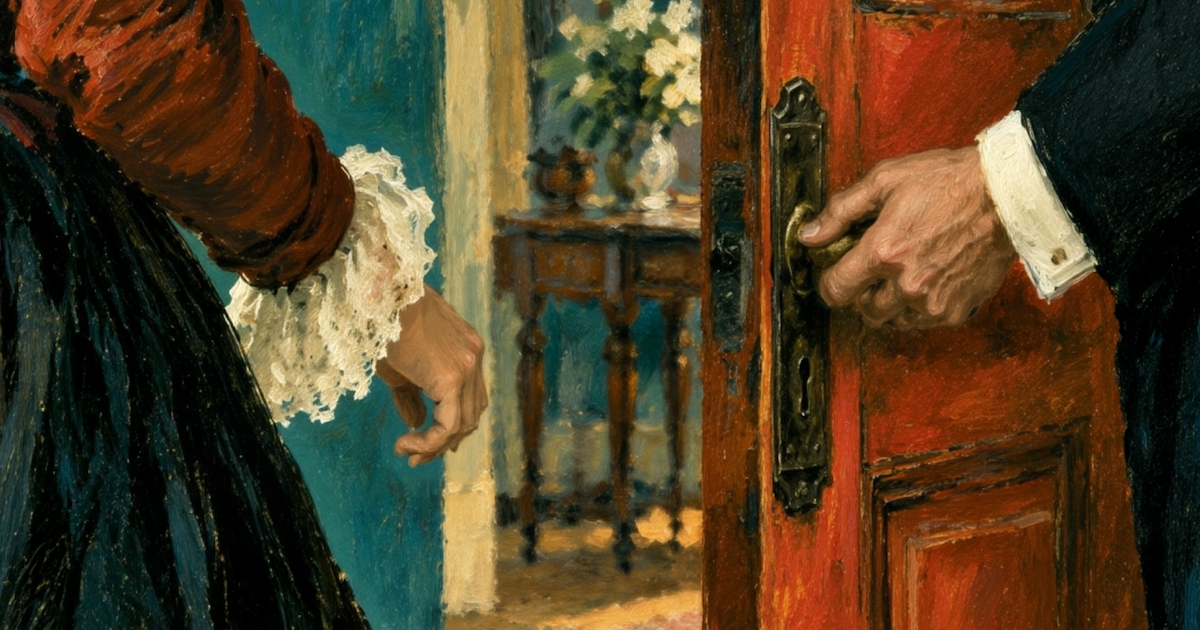
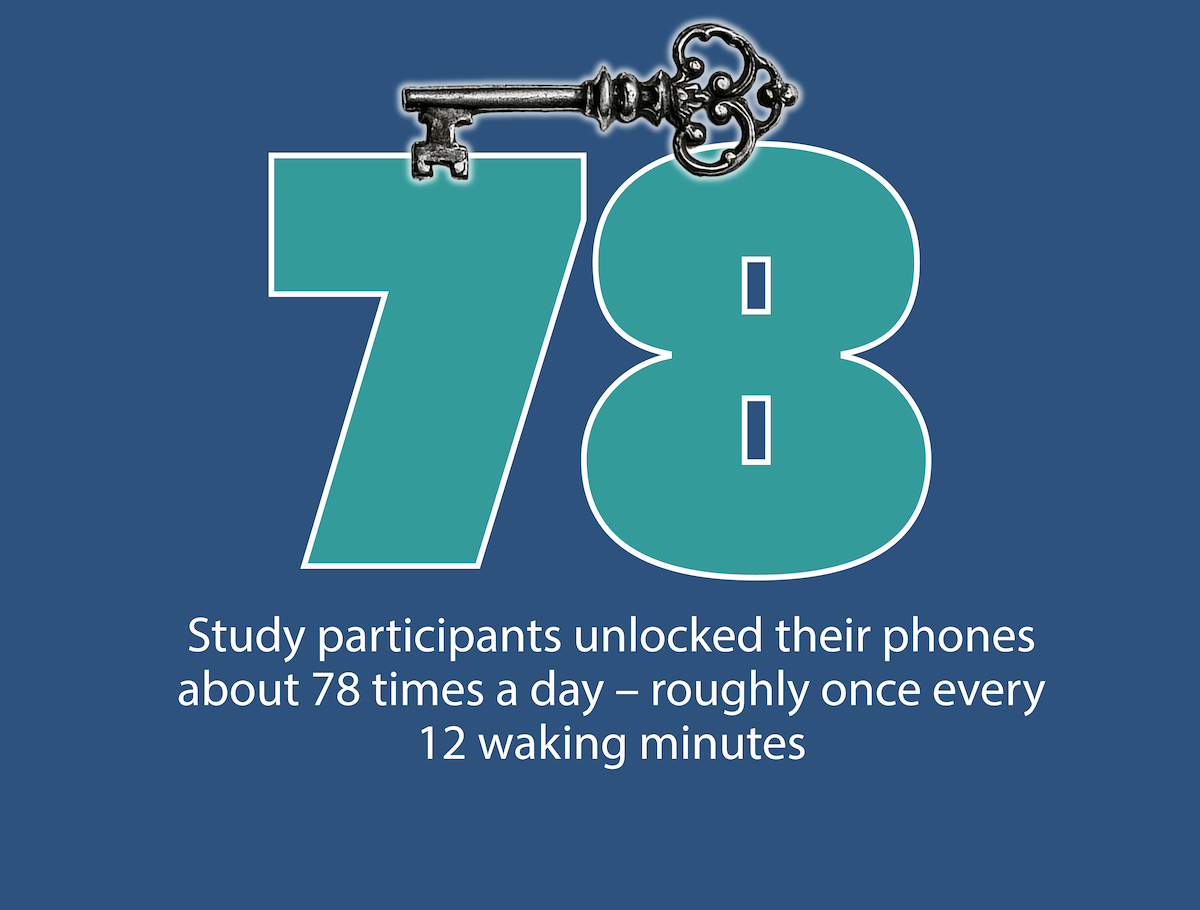
Good manners help form that instinct. A person who reaches the door first looks behind him before letting it close. The important thing is that he noticed someone else was there. The same principle applies when we listen without interrupting, put away the phone, make room at the table, or arrive when we said we would. We say please and thank you because we recognize that another person’s effort is not owed to us.
None of these actions is heroic. Their importance lies in their ordinariness: small, repeated habits of considering someone besides ourselves.
Etiquette is knowing what to do. Manners put the knowledge into practice. Someone can know perfectly well that he should thank the person who helped him – and still consistently fail to do it. Manners are what happen when that knowledge becomes habit.
But even outwardly correct behavior is not enough. A person can use the right fork, write the prompt thank-you note, and still pay little genuine attention to the person sitting across from him. Christian manners begin with the conviction that the person before us has dignity – that our own desires do not automatically take first place. Etiquette teaches the customary form. Charity gives the form its purpose.
|